Making films with AI, is it worth it?
My honest take on pros and cons of AI in filmmaking.
How it started: small
Most people have probably used AI by now - to write an email, find the Spanish word for wild boar (jabalí, btw) or to settle some argument "I'm right though, I could definitely beat a jabalí in a fight? You do agree with me, don't you Claude?!"
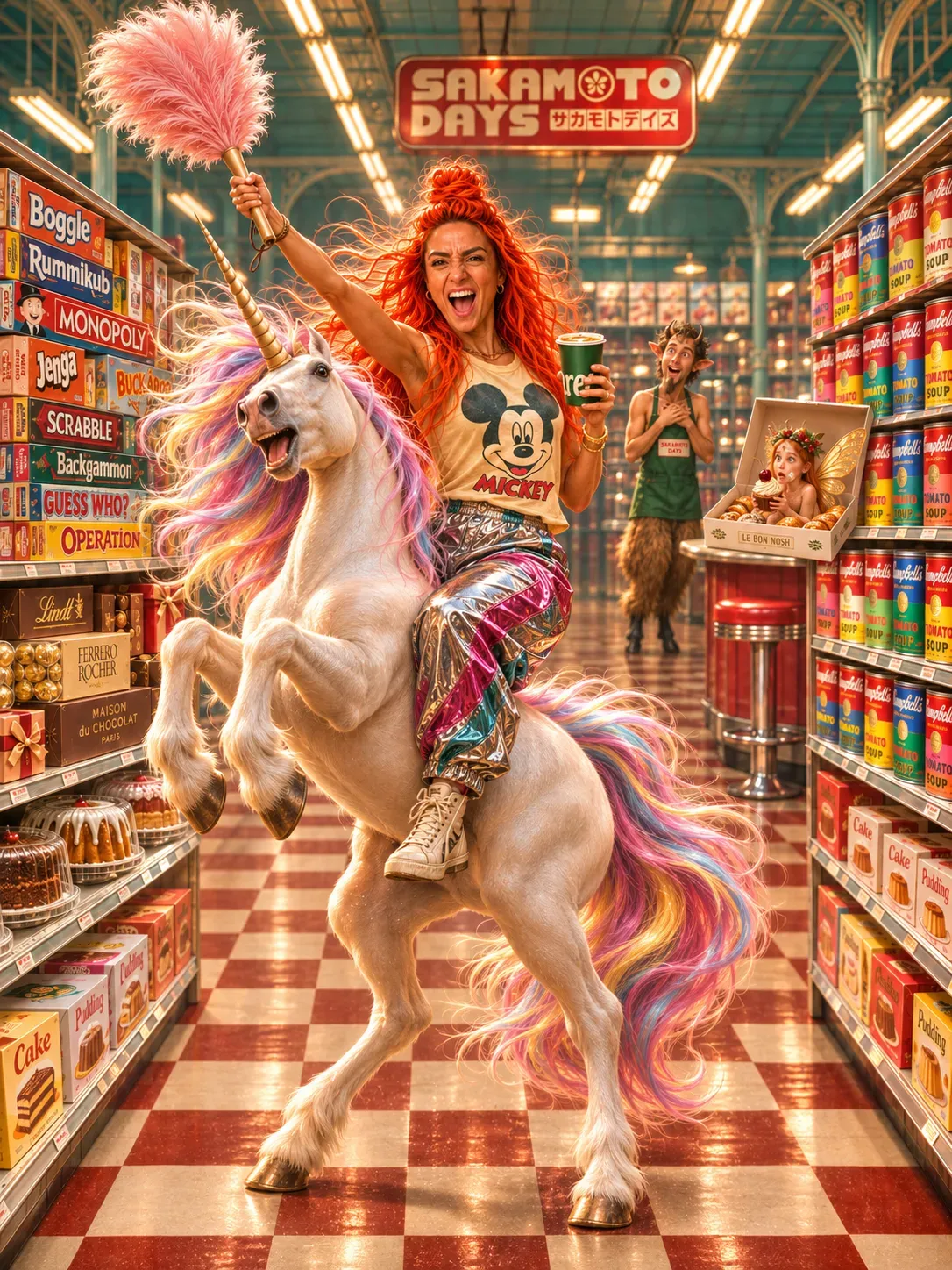
I started the same way, but when we moved to Valencia I decided to build a website for myself with a self shot PTC (piece to camera), and Jonny suggested I use AI to narrate my thoughts, just a fun way to make the film more visually interesting.
So I started researching ai models, and after hundreds of hours of educational tutorials (more like ten YouTube videos), I found an AI platform I liked.
I got brave and entered the funhouse; Higgsfield.
Higgsfield - because it offers all of the latest apps and ai software all in one place, you can access Seedance (my go-to for video), Nano Banana, Kling, Wan, Grok, Flux and loads more.
And because there are new ai tools being created all the time, the platform constantly updates to include all the latest must haves, so I am not missing out or constantly switching platforms and subscribing to 10 different new ones.
hold up, ai filmmaking isn't actually easy
The internet has a habit of making AI filmmaking look very simple.
- Type a prompt.
- Press a button.
- Get a beautiful film.
That was not my experience.
At all.
Every good generation costs money.
Every failed generation costs money.
And believe me, there can be a lot of failed generations.
Overly cautious copyright detection being one obstacle, and the AI gods interpreting innocent images or prompts for something sinister, lewd or sexual (when it's not).
Continuity is another level of challenging - you have to feed it long, detailed prompts and as many accurate images you can, just to keep shot to shot looking like the same place with the same people.
Basically, once you go beyond a very short clip, continuity becomes a pain in the arse.
You need to instruct ai on every little detail. Even the negative / avoid at all costs prompts.
Some generations are almost brilliant. Apart from the fact that your character has six fingers, the camera suddenly travels through a wall and the sun appears to have moved to another planet.
Actual sample from the do not list. yes, really.
Here's a small selection of the things I've genuinely had to tell an extraordinarily sophisticated AI filmmaking tool NOT to do. Things I have never once had to explain to a human camera crew.
- DO NOT add extra people or make existing people disappear.
- DO NOT freeze background characters or turn them into mannequins.
- DO NOT morph, warp, melt or distort hands, faces, bodies or objects.
- DO NOT add extra fingers, limbs, heads or other body parts.
- DO NOT allow hands, feet or objects to merge into one another.
- DO NOT walk through chairs, tables, walls or other solid objects.
- DO NOT make objects appear, disappear, multiply or change position.
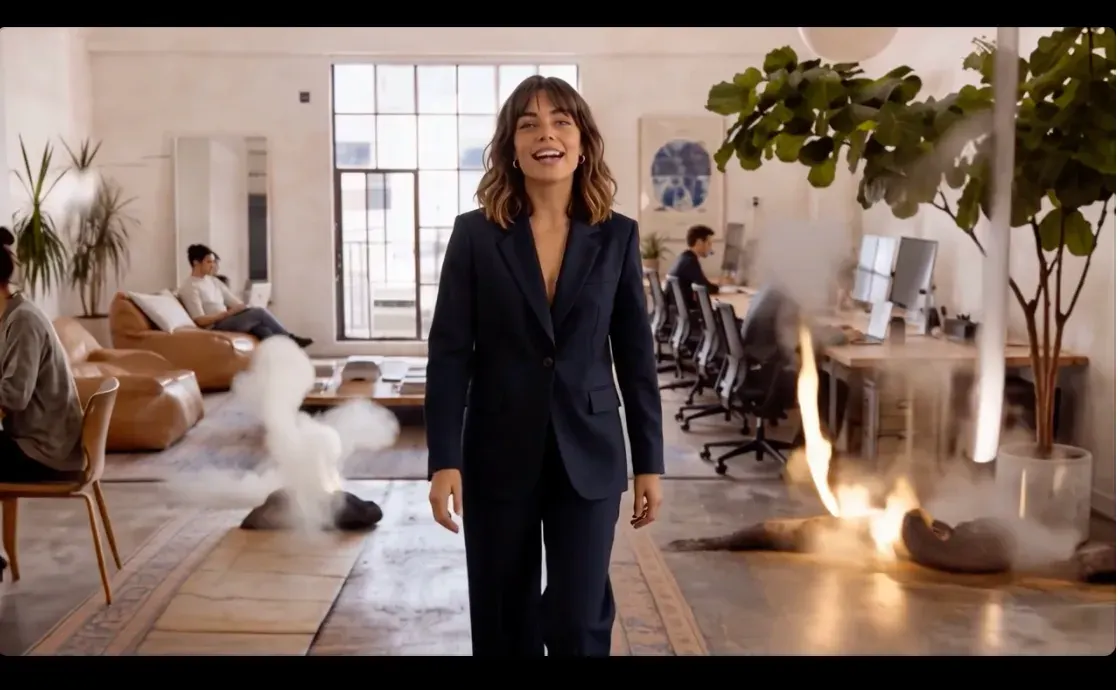
And for the love of God, DO NOT add a flaming turd.
And this is why planning matters more than ever. The more you leave to chance, the more creative liberties AI takes. And trust me, its imagination doesn't always align with yours.
TIP: Even though you can now generate 30 seconds of film in one go, I'd recommend starting with shorter, 4 to 6-second clips. Don't scrimp on the planning, scripting, shot lists or storyboarding.
The more you can work out before you hit generate, the fewer expensive surprises you'll get.
And use as many reference images as you need. I still use GPT to create mine.
Even with all that preparation, AI can still go spectacularly off-piste.
And sometimes, despite your best efforts, the machine just does whatever the hell it wants.
Case in point...
THE FAILS, OF WHICH THERE ARE MANY
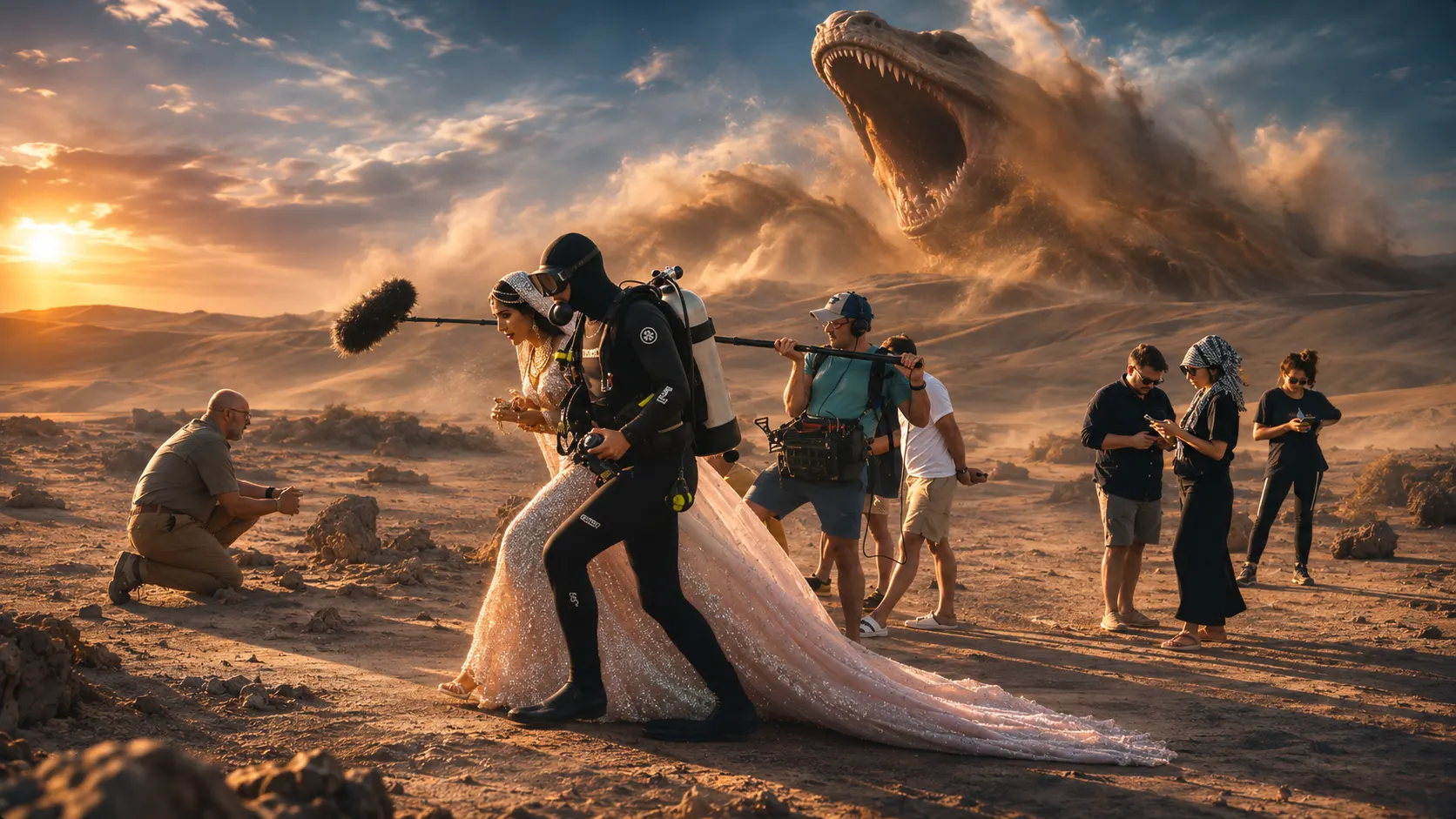

 POP EXPLORE THE FILM →
Sometimes the machine just spurts out shit. The word POP replaced by the word PLOP, a toilet roll in your tree, a literal flaming turd: a glitch in the system, or perhaps a Higgsfield hacker having a little fun.. ?
So yeah, there are road-bumps, and it's definitely a constantly evolving learning curve, but I do think the tools are improving along with our abilities to use them.
As an example, within a few months of being on the platform I saw video generation increase from 4 seconds max, up to 15 seconds, and now (as of November 2026) it's up to 30 seconds - and it's now generating video in 4K as well.
listen to meh
The Higgsfield platform showcases an enourmous variety of content created by anyone in the world with access to the internet (and a few pennies): rich kids, influencers, teams of collaborators, writers, directors, amateurs, big-wig production studios and naturally some weirdos, lunatics, megaminds and fanatics.
The content is mega diverse, limited only by the imagination in the creators heads... so trust me, it's intense!
But that accessibility and limitlessness is part of what makes AI so interesting.
One person is making animé cereal ads. Someone else is making claymation horror.
There are almost no limits. And that is both incredibly exciting and slightly overwhelming.
If you want to browse some of the better content on the platform check out the winners from the Higgsfield Global Film festival, which had more than 60,000 entries from 176 countries.
The animation LISTEN TO MEH (a 5min short film with almost no dialogue btw) won first place, and was created by Argentine AI studio PURGA Studio.
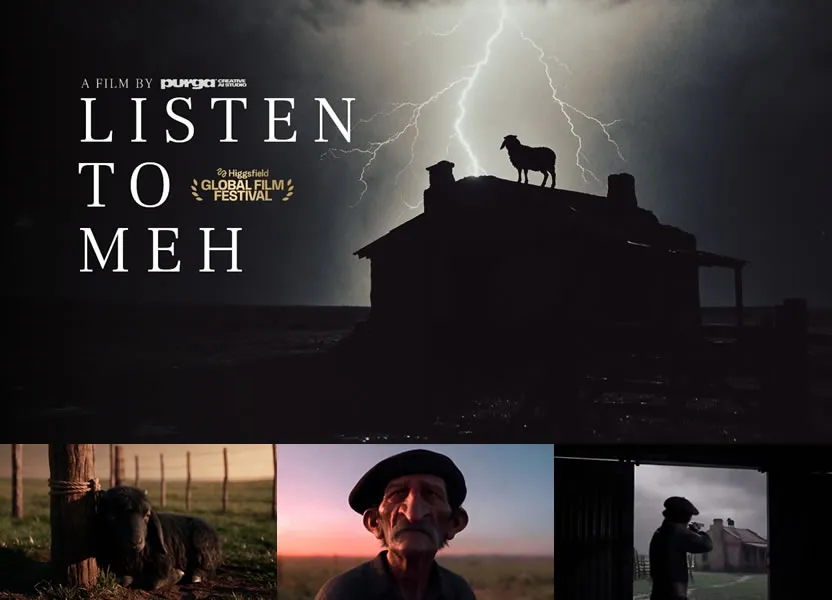
The possibilities are enormous
That is incredibly seductive. Especially if you have a vivid imagination.
My immediate instinct was to think:
What is the craziest thing I can possibly imagine, and can I make it?
And of course I tried.
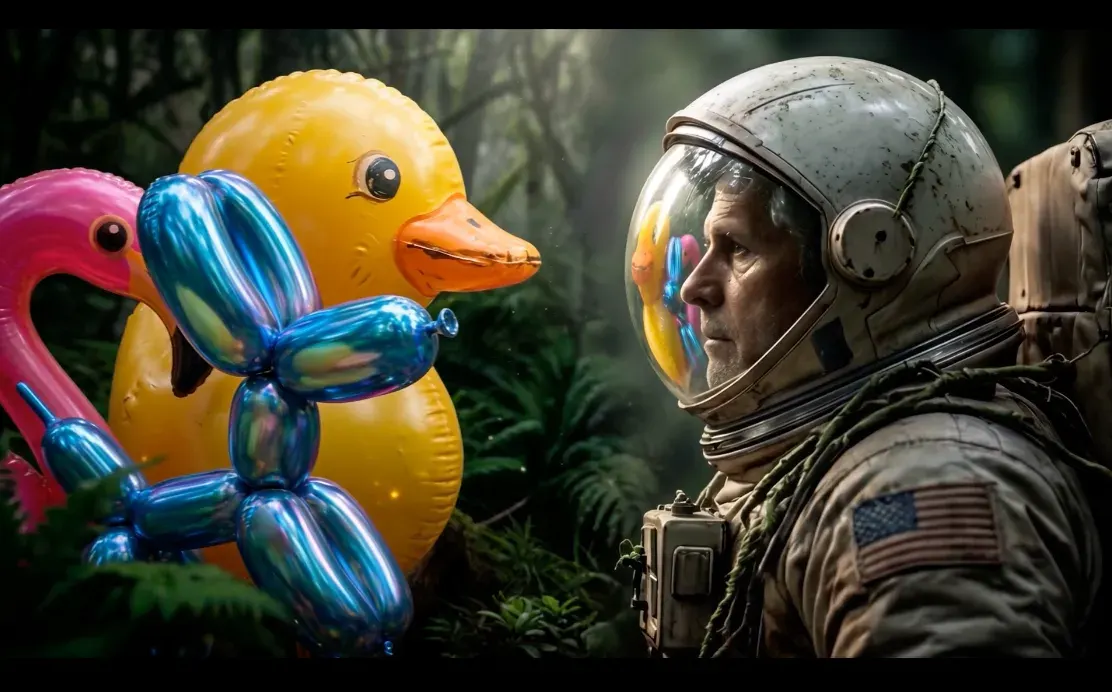
But that very quickly taught me something.
Even the craziest idea in your head still needs a story.
Limitless but RUDDERLESS
Like so many in marketing say (do they?) 'What's the point of incredible content, if no one sees it? The key is getting your content seen.' Yes. And people sharing your content and liking your content and ENGAGING with content is crucial for it being seen.
How do you ensure your content is relevant, and engaging?
By having a STORY.
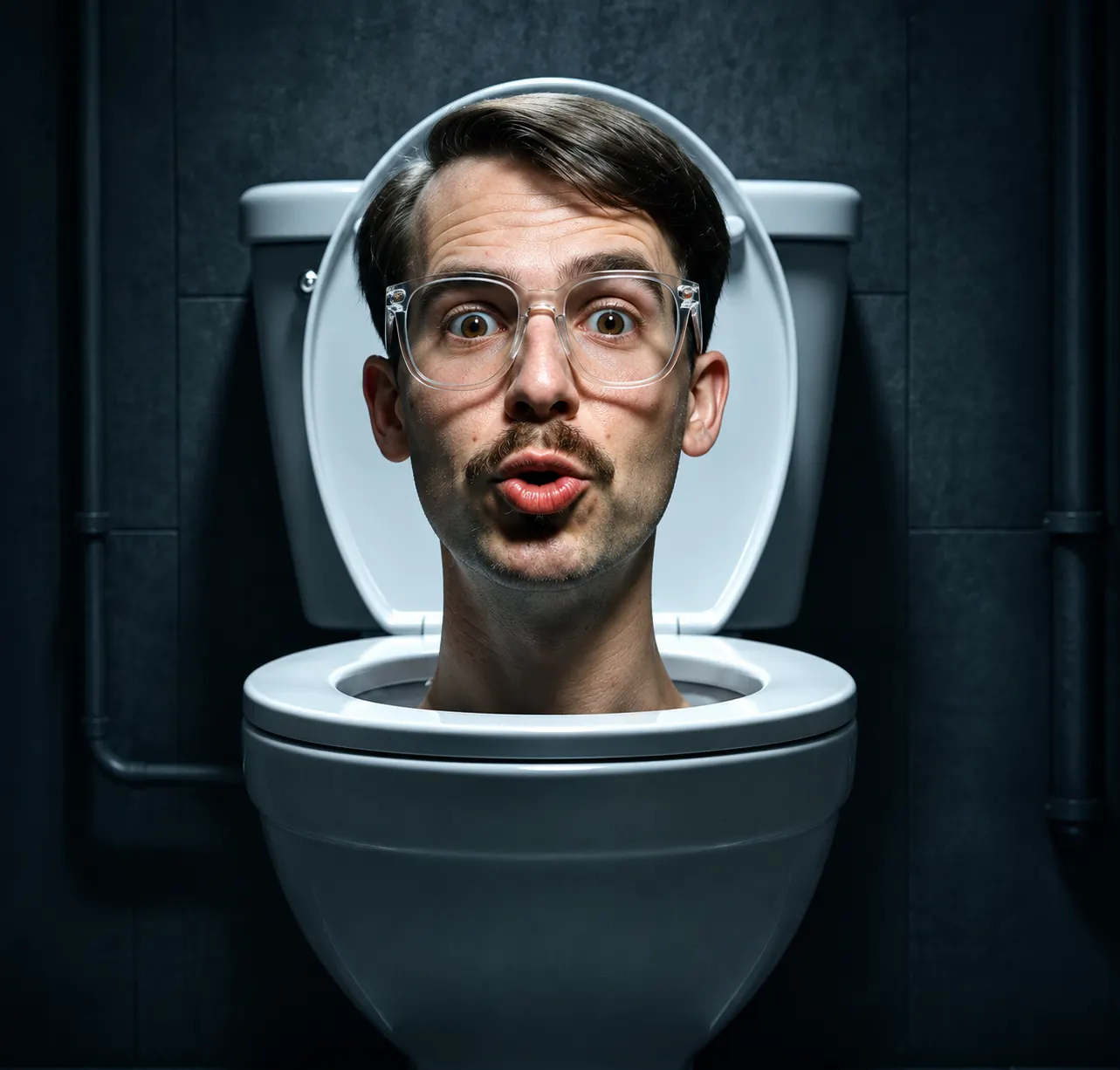
How do you ensure your ai content has a story? By hiring experienced filmmakers, writers and directors who understand narrative storytelling.
You can have an overactive imagination and stitch together the craziest scenes imaginable. They might look incredible. They might even make sense visually.
But is there a story? A beginning, a middle and an end? Characters we care about? Something that makes us want to keep watching?
That's where years of scripting, directing and editing documentaries become invaluable. Knowing what to show, what to leave out, when to reveal something and how to make an audience care.
Because nobody wants to watch the maddest thing in your head simply because you managed to create it.
ai struggles to portray the human experience
The emotions that humans have are so unique and to capture them in AI is reaching.
In fact, i'd say the biggest downfall for AI is the inability to portray human emotion as accurately as an actual human does.
They can only be taught, and only from the perspectives of their creator, one POV.
In real documentaries there is a spectrum of human behaviour and psychology that can not be predicted, and even in dramas and film, with the best actors in the world, mimicking true human traits and personality is tricky to get right.
So I don't think AI will ever replace that authentic human experience. And that's fine by me. I never intended to use it for that purpose.
Is it cheaper?
Sometimes.
It would be cheaper to use AI to create a scene on a beach in the Cook Islands, with tigers emerging from the water, than to buy flights and accommodation, pay camera crew, hire kit, hire animal handlers etc etc.
Also cheaper to ai generate a bit of engineering found only inside the 'hotter than the sun', highly magnetic tokamak, cheaper and easier than to shut down the power plant and PPP up and go find it in the machine...
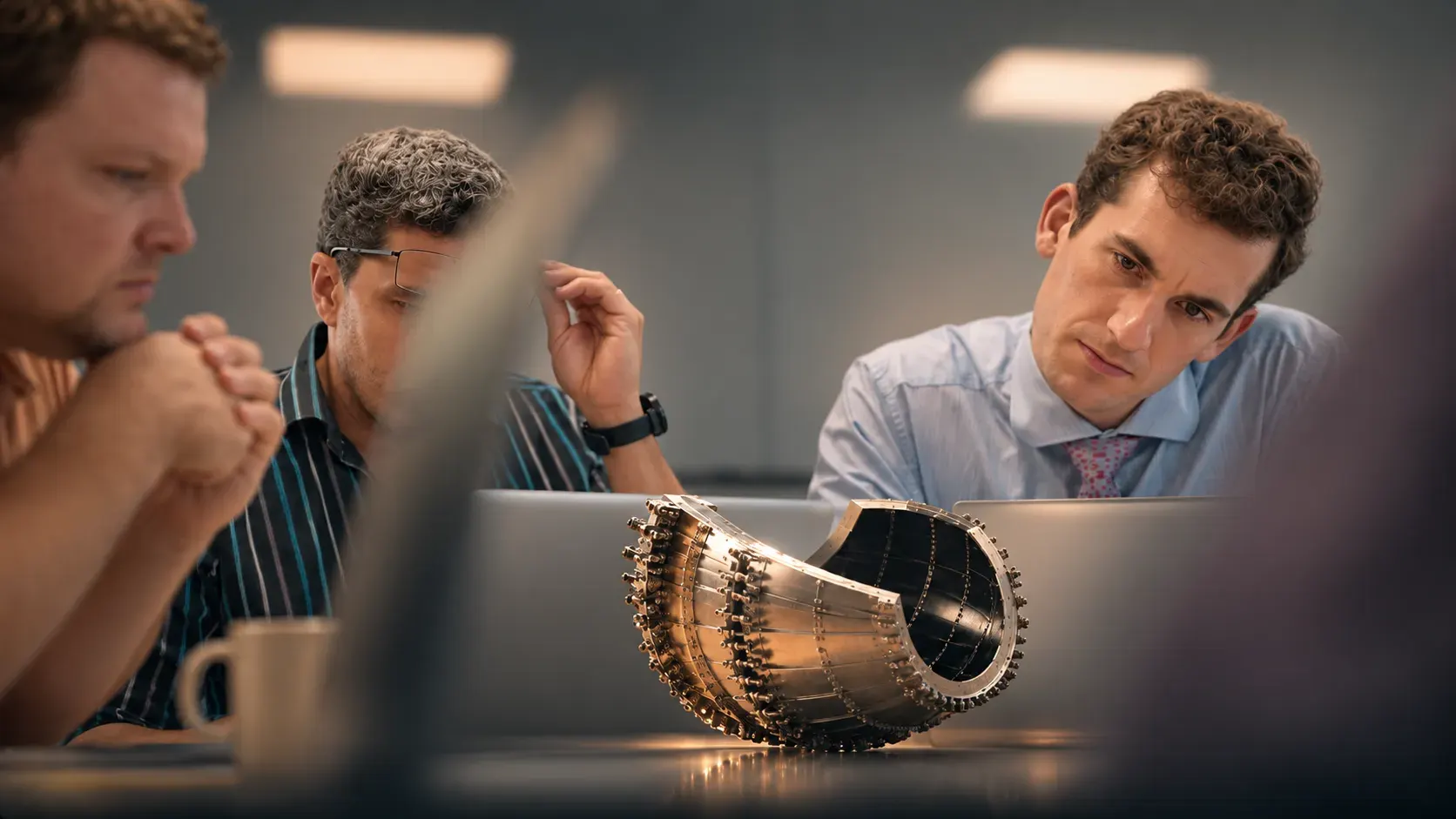
For things that require an enormous setup, it can be incredibly cost-effective.
For longer pieces? I don't think it's worth it.
Let's compare:
Higgsfield made their own 95 minute feature film (Hell Grind) which cost $500,000 to make.. and if we're honest - it sucked. Poor writing, story, dialogue, and acting (although probably artists fault as much as the AI), it's still a good indication of the cost.
Compare that to Curry Barkers horror film 'Obsession', which was made for $600,000 - $750,000 - or better yet to average UK entertainment series, which cost roughly £250,000 to £400,000+ per hour of content.
My feeling is, if you can film it, GO FILM IT.
It'll cost similar or less and probably be much better.
ai, huh. what is it good for?
The more I use it, the less interested I am in using AI simply because I can.
I am much more interested in where it lets us do something we genuinely could not do before.
To visualise a memory.
Reconstruct a dream.
Go somewhere humans cannot go.
Show what is happening inside a body.
Illustrate a thought.
Bring an abstract idea to life.
Recreate something that was never filmed.
Bridge a gap in documentary storytelling where the camera simply could not be there.
Or, yes, allow me to shoot in Timbuktu without leaving Valencia.
That's where I see its real potential.
Not replacing reality.
Expanding what we can show around it.
For documentary filmmakers especially, that's an incredibly exciting prospect.
We spend our careers trying to make complicated ideas accessible, invisible processes visible, and stories that happened in the past feel immediate and alive.
AI gives us new ways of doing that.
Used intelligently, it can become another part of the storytelling toolkit, alongside archive, animation, reconstruction, graphics and traditional cinematography.
Not the whole film.
Just another way of making the story stronger.
the craft still matters
AI is evolving incredibly quickly.
The tools I use today will probably feel primitive very soon and that can feel scary - AI-is-taking-all-our-jobs kind of scary.
But I don't believe AI can replace the human storyteller.
We're the composers. AI is just another instrument.
And like a violin or a paintbrush, having access to the tool doesn't automatically make you good at using it.
Pairing extraordinary technology with years of traditional filmmaking experience is where things get really interesting.
Because without story, continuity, taste and direction, AI can very quickly become an expensive pile of beautiful nonsense.
Which, strangely enough, brings me right back to where I started.
Pretty pictures are still not enough.